Master Key Systems for Honolulu Businesses

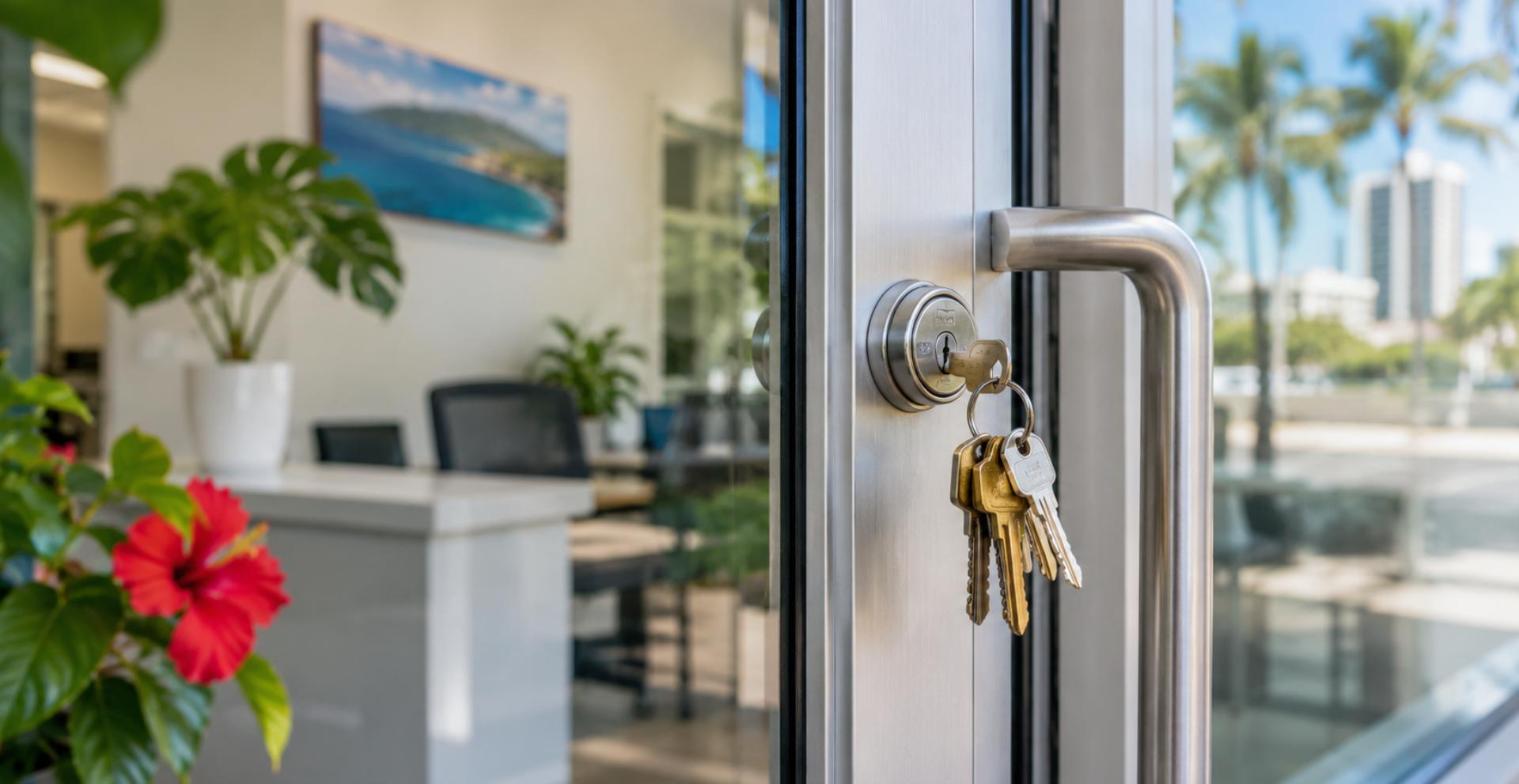
If you manage a shop, office, clinic, or building in Honolulu, you have probably watched a key ring grow until nobody remembers which key opens what. A master key system fixes that. Each person carries one key that opens only the doors they need, while a manager or owner holds a key that opens more. It is one of the simplest ways to tighten security and cut down on the daily key shuffle at the same time.
How a master key system works
Most commercial locks use a pin tumbler cylinder. Inside, a row of small pins has to line up at exactly the right height before the cylinder will turn. In a master keyed lock, a locksmith adds extra pins, called master pins, so the cylinder has two or more correct alignments instead of one. That lets two different keys turn the same lock: the individual key for that door, and the master key that also opens other doors in the system. For a deeper technical background, see this overview of how master keys work.
The key levels, explained
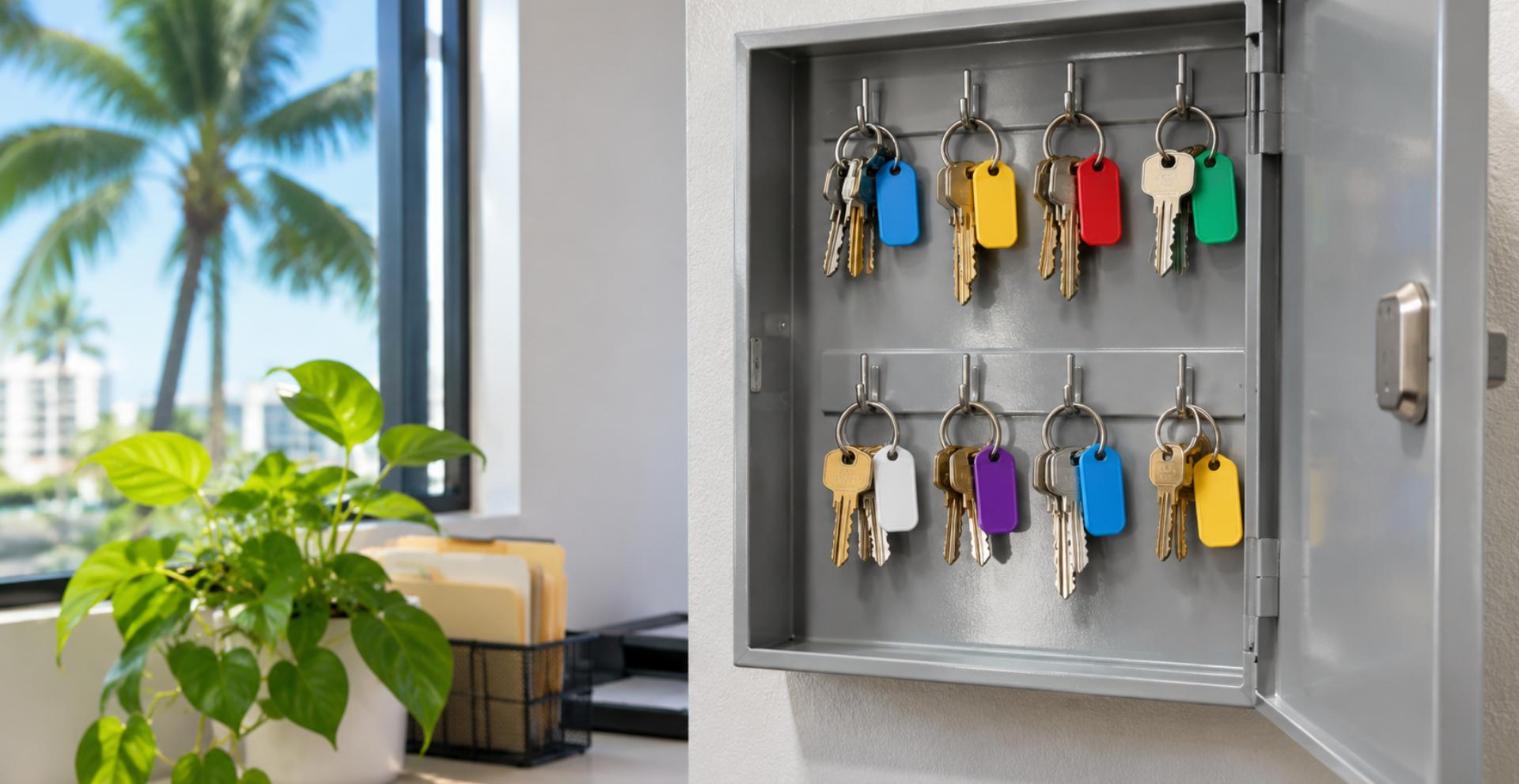
- Change key: opens one door, or a small set of doors, such as a single office or a storage room.
- Master key: opens a group of locks, such as every door on one floor or in one department.
- Grand master key: opens every lock in the whole system, usually held by the owner or facility manager.
- Maintenance or specialty keys: optional keys for cleaning crews, contractors, or vendors that open only the areas they service.
Most small businesses need only two levels, a master and change keys. Larger buildings, multi tenant properties, and campuses often use three or more.
Which Honolulu businesses benefit most
Any business with more than a few doors and more than a few people holding keys can use a master key system. In Honolulu, that includes retail shops and restaurants with back rooms and stock areas, offices downtown and in Kakaako, medical and dental clinics with records and supply rooms, warehouses and light industrial spaces, and property managers looking after apartment buildings and condo common areas. Hotels and vacation properties often pair master keying with electronic room locks, which our hotel door lock service covers in more detail.
Planning your key system
A good master key system starts on paper, not at the door. Before any pins change, you and your locksmith should work through a short plan:
- List every door, gate, cabinet, and storage area that has a lock.
- List the roles in your business, such as owner, manager, staff, cleaning crew, and vendors.
- Decide which roles need access to which doors, and keep that access as narrow as practical.
- Leave room for growth, such as future offices, a second location, or new storage.
- Start a written key log that records who holds each key and when it was issued.
That plan becomes the map your commercial locksmith builds from, and it makes every future change faster and cheaper.
Key control and restricted keyways
A master key system is only as strong as the control over its keys. Stamping a key with Do Not Duplicate helps, but it is a request, and not every key cutter honors it. A restricted or patented keyway is the stronger option, because blanks are sold only to an authorized locksmith, who cuts copies only for people listed on your account. Pair that with a simple routine: issue keys against a signature, collect them when someone leaves, and review the key log a couple of times a year. If you do need extra copies made, our key duplication service can cut them accurately.
When to rekey a master key system
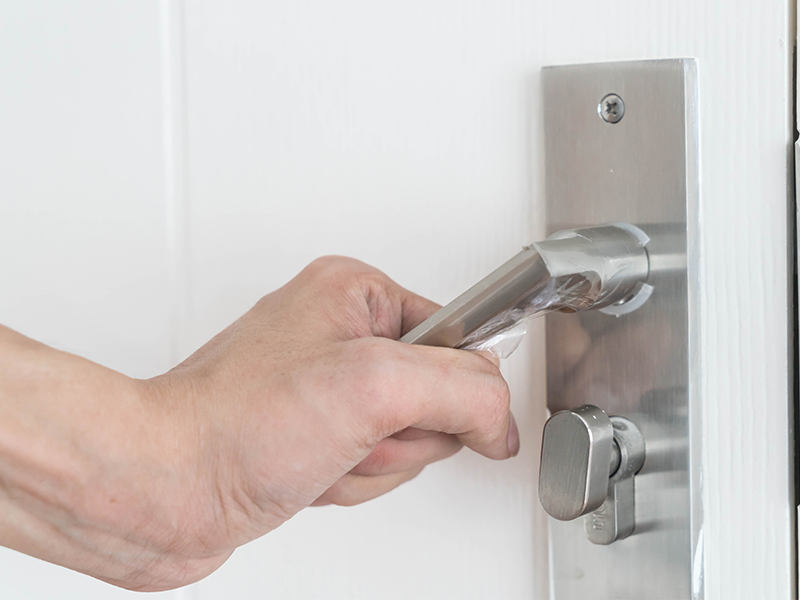
Rekey affected locks whenever a key goes missing, someone leaves without returning theirs, a break in or attempted entry happens, or you move into a space a previous tenant used. A lost change key usually means rekeying one door. A lost master or grand master key is more serious, because it may expose every lock under it. A rekey service resets access without replacing the hardware, and our guide on when to rekey vs replace a lock explains when new hardware makes more sense.
Master keys or keyless access?
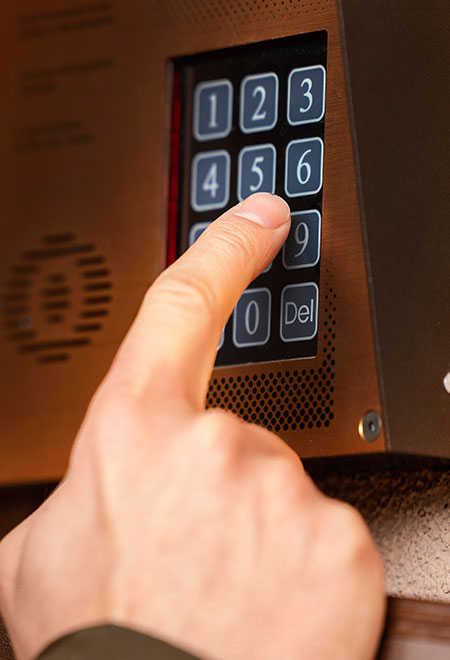
Keypads and electronic access control solve some problems that keys cannot. You can delete a code or credential the moment someone leaves, set schedules for when doors unlock, and many systems keep an entry log. They do need power, batteries, and occasional updates, and they cost more up front. Many businesses use both: keyless entry on the main door that everyone uses, and a mechanical master key system for interior offices, storage, and utility rooms. If you are weighing the switch, our smart lock service can help you compare options.
Protecting commercial hardware from salt air
Honolulu's salt air and humidity are hard on commercial locks, especially on exterior doors near the water. Corrosion stiffens cylinders and wears down master pins, which can make some keys in the system stop working before others. A dry lubricant made for locks, applied a couple of times a year, keeps cylinders turning smoothly. Our lock maintenance guide covers the routine, and the same steps apply to commercial doors.
Frequently asked questions
What is the difference between a master key and a grand master key?
A master key opens a group of locks, such as every office on one floor or every door in one department. A grand master key sits above it and opens every lock in the whole system. Below both are change keys, which open only one door or a small set of doors. Most small businesses need just two levels, while larger buildings and campuses often use three or more to keep access organized.
Does a master key system make locks less secure?
Slightly, and it is worth knowing why. Master keying adds extra pins inside each cylinder so more than one key can turn it, which gives a skilled picker more ways in. For most offices and shops the trade off is worth the convenience, especially with good quality cylinders. A locksmith can reduce the risk by limiting how many locks share a master and by using a restricted keyway for high value areas.
Can employees copy a master key at the hardware store?
With a standard keyway, often yes, even if the key is stamped Do Not Duplicate. That stamp is a request, and not every key cutter honors it. A restricted or patented keyway is the real fix, because blanks are only sold to an authorized locksmith who checks your approved list before cutting. For any business in Honolulu that hands out master keys, restricted keys are worth considering.
What happens if a master key is lost?
Treat it as a security problem, not an inconvenience. A lost master key can open every lock it was built to open, so the affected cylinders usually need to be rekeyed and new keys issued. A well planned system makes this cheaper, because only the locks under that master need work. Keep a written key log so you know exactly which doors are exposed and who held the missing key.
Can you add a master key to the locks we already have?
Often, yes. If your existing locks are in good condition and share a compatible keyway, a locksmith can rekey them into a master key system without replacing the hardware. Locks that are worn, damaged, or from mixed brands may need new cylinders first. A short walkthrough of your doors is the best way to find out, since the answer depends on the specific hardware you have installed today.
How long does it take to set up a master key system?
It depends on the number of doors and how many key levels you need. A small shop or office with a handful of doors can often be planned and rekeyed in a single visit. Larger buildings take more planning, because every door, role, and future need has to be mapped before any pins are changed. Building in room for future doors now saves you from redoing the system later.
Should we use keypads or electronic access instead of keys?
For main entrances with many users, keyless access is often the better choice, because you can delete a code or credential the moment someone leaves and many systems keep an entry log. Mechanical master keys still work well for interior doors, storage rooms, and areas with fewer users. Many Oahu businesses use both, with keyless entry at the front door and a master key system for everything behind it.
How often should a business rekey its locks?
There is no fixed schedule. Rekey whenever someone leaves without returning a key, when a key is lost or unaccounted for, after any break in or attempted entry, and when you take over a space from a previous tenant. If you cannot say with confidence who holds every key to your building, that alone is a good reason to rekey and start a fresh key log.
Set up a master key system with Honolulu Locksmith
Whether you are organizing keys for a single shop or planning access for a whole building, Honolulu Locksmith can map your doors, rekey your existing locks, and recommend restricted keys or keyless options where they make sense. Learn more about our commercial locksmith services, or call (808) 378-7552 to talk through your setup.
Related posts