When to Rekey vs Replace a Lock — Decision Guide for Homeowners and Landlords

Home security in Hawaii isn't just about protecting against break-ins—it's about knowing who has access to your property. Whether you're a homeowner who's lost keys, a landlord managing tenant turnover, or dealing with an outdated lock system, understanding when to rekey vs replace a lock can save you money while keeping your property secure. Many property owners face this decision without clear guidance, leading to unnecessary expenses or compromised security. This guide breaks down exactly what you need to know to make the right choice.
What's the Difference Between Rekeying and Replacing a Lock?
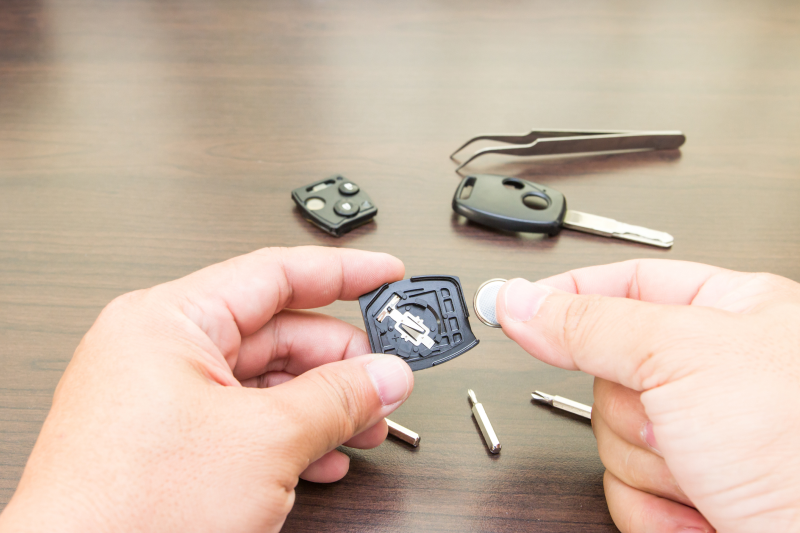
Rekeying means changing the internal pins inside your existing lock so old keys no longer work, while a new key is created for the same hardware. Lock replacement involves removing the entire lock mechanism and installing a new one. The National Crime Prevention Council states that "installing quality locks is the first line of defense against home burglaries since they can protect you against physical attack." Rekeying keeps your existing hardware but changes who can access it, while replacement gives you completely new hardware. Both options effectively deny access to anyone with old keys, but they differ significantly in cost and purpose.
A residential locksmith can assess your current hardware and help determine which option makes the most sense for your situation.
When Should You Choose to Rekey a Lock?
Choosing to rekey locks is your best option when your lock hardware is in good condition but you need to control who has keys. This applies when moving into a previously owned home in Honolulu, experiencing tenant turnover, losing keys, or suspecting unauthorized key copies exist. Since rekeying costs less than full replacement, it's the budget-conscious choice for changing locks on house access. The existing lock continues functioning perfectly—you're simply ensuring old keys become useless. Most residential locksmith services can rekey locks to work with a single key, adding convenience to security. However, never attempt DIY pin manipulation unless you're trained; improper rekeying can damage lock mechanisms and compromise security.
Consider rekeying if you've recently moved or had a change in who has access to your property.
When Is It Better to Replace a Lock?
Lock replacement becomes necessary when hardware is damaged, visibly worn, or compromised by a break-in attempt. Older locks often lack modern security features—upgrading to Grade 1 deadbolts provides substantially better protection against forced entry. If you're transitioning to smart locks or keyless entry systems, full lock replacement is required. Commercial locksmith services frequently recommend replacement for businesses needing advanced access control or after security incidents. Visible damage around the strike plate, a loose lock body, or keys that stick indicate it's time for professional locksmith evaluation. Replacement also makes sense when your existing hardware is builder-grade or over a decade old. While lock installation costs more upfront than rekeying, the investment delivers enhanced security, modern features, and peace of mind that your property has current protection standards.
If your locks show signs of wear or damage, professional evaluation can identify whether replacement is necessary.
Cost Comparison — Rekeying vs Replacing
Rekeying typically costs less than full lock replacement, making it the economical choice when hardware is still in good working condition. Full lock replacement requires purchasing new hardware and installation, which increases the overall investment. Emergency lock change services from a 24 hour locksmith may include additional fees for immediate response. The number of locks, your location in Hawaii, lock type, and service timing all affect final costs. High-security locks and smart lock installation require more specialized hardware. Most professional locksmiths offer free estimates, so you'll know what to expect before work begins. Remember that choosing based solely on price isn't always the smartest approach—compromised security can create bigger problems down the road.
Request a transparent estimate before making your decision to understand the full scope of work needed.
Expert Insights on Home Security
The U.S. Department of Justice reports that 40% of all burglaries involve an unlocked door or window, highlighting that even quality locks only work when properly used. The National Crime Prevention Council emphasizes that locks represent a significant part of comprehensive home security, and recommends homeowners also keep shrubs trimmed and use appropriate lighting alongside proper locking systems. These insights reinforce that the decision between rekeying and replacement matters beyond just key control—it's about maintaining functional, reliable hardware that actually prevents unauthorized entry. A professional locksmith assessment considers both the lock's mechanical condition and whether key control is properly managed.
Getting a security assessment helps identify vulnerabilities you might not have considered on your own.
How to Decide — A Simple Checklist for Homeowners & Landlords
Still weighing your options? Use this practical checklist to determine whether rekeying or replacing is right for your situation. Consider your lock's condition, your budget, and your security needs. Professional locksmith services can handle either option, but knowing which one you need saves time and money.
When to Rekey:
- Lock hardware is in good condition and functions smoothly
- You've recently moved into a property or have new tenants
- Keys are lost or you suspect unauthorized copies exist
- You want multiple locks to work with one key
- Budget is a primary concern
When to Replace:
- Locks are damaged, worn, or compromised by break-in attempts
- Hardware is outdated or builder-grade quality
- You're upgrading to smart locks or high-security deadbolts
- Visible rust, loose components, or keys frequently stick
- Previous lock change occurred more than 10 years ago
A quick consultation can clarify which approach best fits your specific security needs.
Can an Emergency Locksmith Help with Both Options?
Yes—an emergency locksmith provides both rekeying and replacement services when you need immediate assistance. Whether you're locked out late at night, discovered a break-in, or need urgent tenant changes after an incident, a 24 hour locksmith can assess your situation and implement the right solution on the spot. Emergency scenarios often reveal whether rekeying is sufficient or if lock replacement is necessary for security restoration. Licensed locksmiths carry the tools and hardware needed for both services, eliminating delays when security is compromised. They can also provide temporary solutions while ordering specialized hardware if needed. Emergency services ensure you're never left vulnerable while deciding between options.
Emergency situations don't wait for business hours—having access to round-the-clock service provides peace of mind.
Final Thoughts — Making the Smart Security Choice
Understanding when to rekey vs replace a lock comes down to two factors: your lock's physical condition and who has access to keys. Rekey when you need cost-effective key control with sound hardware; replace when security upgrades or damaged locks demand it. Honolulu Locksmith is available 24/7 to provide professional, reliable service with licensed and trained locksmiths who understand Hawaii's unique security needs. Homeowners and business owners can count on Honolulu Locksmith to keep homes safe and locks functioning properly all year long. Whether you need a simple rekey or complete lock installation, professional locksmith expertise ensures the job is done right the first time.
Ready to make the right security choice for your property? Reach out for expert guidance on your specific situation.
Related posts